
Monetary Policy
Higher short-term interest rates can raise the cost of variable debt while creating better returns for some savings products.
What to Know
- Federal Reserve policymakers raised the federal-funds target range by 0.25 percentage point to 3.75%–4.00% on September 16, 2026.
- Credit cards and other variable-rate debt may become more expensive, especially for households carrying balances.
- Existing fixed-rate mortgages do not automatically change because the Fed raised rates.
- Adjustable-rate mortgage borrowers should check their next reset date, rate cap, index, and loan margin.
- High-yield savings accounts, CDs, money-market funds, and new Treasury bills may offer higher yields, but banks do not always raise deposit rates quickly.
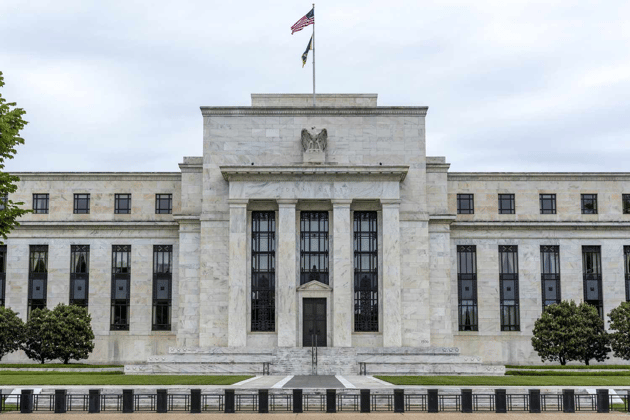
Federal Reserve policymakers raised their benchmark short-term interest rate by 0.25 percentage point on September 16, setting the target range at 3.75%–4.00%. A unanimous 12–0 vote marked the first increase in more than three years. Federal Reserve officials said the action would support a return to their 2% inflation goal.
Higher rates do not affect every household in the same way. Reuters reporting explains that the Fed most directly affects short-term rates, which means people with variable debt can feel the increase faster than homeowners with fixed mortgages. Savers may benefit, but only if they compare the returns available on their cash.
Variable Debt Can Become More Expensive
Credit-card accounts commonly use a variable annual percentage rate, or APR. A variable APR changes with its underlying index, according to the Consumer Financial Protection Bureau. Card issuers may therefore raise rates after a change in short-term market rates.
Reuters reported that someone carrying the average $6,610 credit-card balance at a 22% APR could see minimum monthly payments rise by about $1.38 after this increase. That individual change is modest, but interest can add up for households carrying a balance over many months.
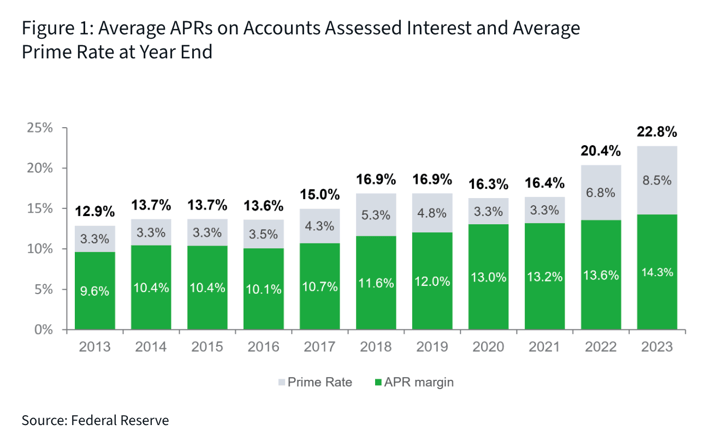
Credit-card APRs and prime-rate margins. CFPB.
Borrowers should review their card’s APR, outstanding balance, and minimum payment. Paying more than the minimum, comparing a balance-transfer offer carefully, or asking the issuer for a lower rate can reduce interest costs. A new loan only helps if its fees, repayment term, and total borrowing cost improve on the existing debt.
Credit cards show the fastest path from Fed policy to a household bill. Mortgage effects require a separate look because loan types respond differently.
Fixed Mortgages and Adjustable Loans Follow Different Paths
Existing fixed-rate mortgages do not automatically become more expensive after a Fed increase. Long-term mortgage rates respond more closely to longer-term Treasury yields and broader market expectations than to the federal-funds rate alone.
Adjustable-rate mortgages, or ARMs, work differently. A borrower’s rate can change at scheduled adjustment dates based on an index plus the loan’s margin. CFPB guidance explains that those terms, along with rate caps, help determine future payments.
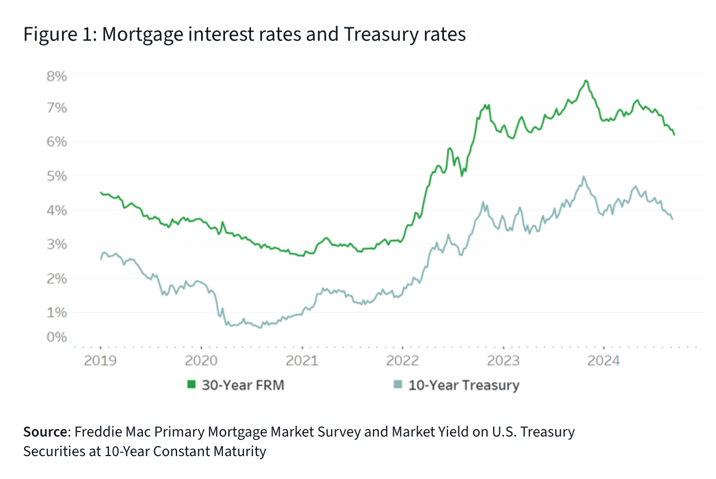
Mortgage rates and Treasury yields. CFPB.
ARM borrowers should locate their promissory note or mortgage disclosure and check four items: the first adjustment date, the index, the margin, and the periodic and lifetime rate caps. Budgeting before a reset gives a household time to evaluate its options rather than reacting after a higher payment arrives.
Borrowing costs are only half of the story. Higher short-term rates can also create a reason for savers to review where they keep cash.
Savers May Find Better Returns, but They Must Compare
High-yield savings accounts, money-market funds, CDs, and Treasury bills often respond more directly to short-term rate changes than a standard savings account. Banks, however, decide whether and when to pass a higher policy rate through to depositors.
Reuters reported that the national average savings-account yield was 0.63% APY on September 15, while some high-yield accounts offered around 4% APY before the latest rate increase. A saver with cash in a low-yield account should compare APY, minimum-balance rules, withdrawal limits, deposit-insurance coverage, and access to funds before moving money.

Savings represented by coins in a jar. Pexels.
CDs can offer a fixed return for a selected term, but early withdrawals may carry penalties. Treasury bills mature in one year or less, and their yields are set through auctions. New issues may offer higher yields when market rates rise, while existing bonds can lose market value when yields increase.
What Households Should Do Next
A single quarter-point increase does not require every household to refinance, sell investments, or move savings immediately. It does create a useful prompt to review expensive variable debt and cash earning little interest.
Borrowers should focus first on high-cost balances and any loan that will reset soon. Savers should focus on yield, liquidity, fees, and safety rather than chasing a headline rate alone. Households with both debt and savings may find that paying down a high-rate balance provides a better financial return than earning a slightly higher deposit yield.
Wrap Up
Federal Reserve rate increases reach households unevenly. Variable-rate borrowers can face higher interest costs, fixed-rate mortgage holders may see no immediate change, and savers may find better returns on short-term products.
Practical decisions matter more than the headline move. Reviewing an APR, an ARM reset notice, or a savings-account yield can help households respond to higher rates with clearer information rather than guesswork.