
Financial Literacy
Employers need more skilled workers. Recruiting women could widen the pipeline, but lasting gains depend on training access, safe jobsites, and opportunities to advance.
What to Know
- BLS projects approximately 72,700 electrician openings annually, on average, from 2025 to 2035.
- Women represented 3.5% of electricians and 3.1% of plumbers, pipefitters, and steamfitters in BLS’s 2025 occupational estimates.
- Registered apprenticeships combine paid work, instruction, mentoring, and rising wages.
- Recruitment alone will not solve a shortage if workers leave because jobsites cannot retain them.
- Families should compare apprentice pay, training costs, licensing requirements, and local openings before choosing a program.
Employers need people who can wire buildings, install plumbing, repair cooling systems, and build new facilities. Demand for those skills is growing while experienced workers retire or move to other occupations. BLS projects 9% growth in electrician employment from 2025 to 2035; many projected openings will replace workers who leave, not fill newly created positions.
A November 4 Wall Street Journal report describes companies recruiting more women and working to improve jobsite culture. That is a workforce strategy, not a guarantee that every vacancy will be filled. Its test is whether women can enter training, complete it, and build lasting careers.
A Large Untapped Workforce
Women remain a small share of several hands-on trades. In its 2025 detailed-occupation table, BLS reports 3.5% for electricians, 3.1% for plumbers, pipefitters, and steamfitters, and 2.7% for heating, air-conditioning, and refrigeration technicians. None of those figures represents the entire construction workforce.
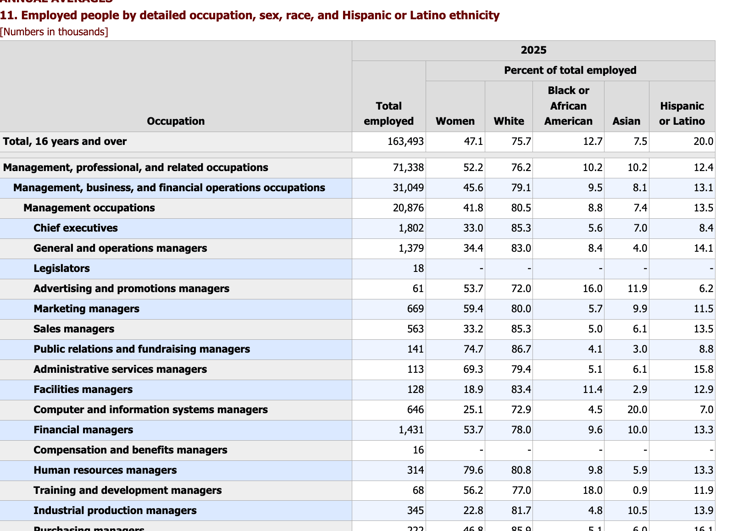
Women’s share varies by occupation; these figures describe particular trades rather than all construction jobs, via U.S. Bureau of Labor Statistics.
Expanding recruitment can bring capable applicants into occupations they may never have considered. Employers still need enough instructors, mentors, and available training places to turn interest into qualified workers.
Paid Training Can Change the Calculation
A registered apprenticeship offers paid work alongside classroom instruction and supervised experience. According to Apprenticeship.gov, apprentices receive wage increases as they develop skills and can earn a portable credential. Requirements, entry wages, and available places vary by program and location.
For a family weighing education costs, that model offers a route to earning while learning rather than borrowing for a four-year degree. It does not mean an apprentice immediately earns a fully qualified worker’s wage. BLS reports a $63,190 median annual wage for electricians in May 2025, while noting that apprentices earn less as they train.
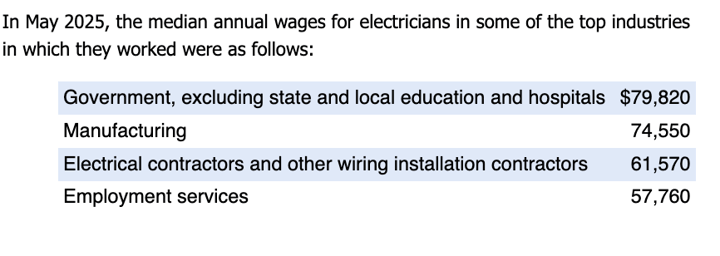
The electrician median describes workers across the occupation, not a starting apprentice’s pay, via U.S. Bureau of Labor Statistics.
Pay can attract applicants. Working conditions determine whether they stay.
Keeping Workers on the Job
Safety equipment must fit the person using it. OSHA’s construction PPE guidance specifically notes that standard-sized equipment may not fit smaller workers, including some women. Employers also need to examine access to suitable facilities, mentoring, fair assignments, and credible ways to address harassment. Those factors affect retention and advancement, not just recruitment.

HVAC work includes installing and repairing equipment in demanding settings; safe training and properly fitting equipment matter on the job, via U.S. Bureau of Labor Statistics.
Policymakers can assess whether career-and-technical education and apprenticeship funding produce completions and sustained employment, not merely sign-ups. Employers can measure who receives training, advances to skilled roles, and remains employed. Faster industrial and building projects will require trained crews as well as permits and financing.
Wrap Up
Recruiting women gives employers a wider pool of potential electricians, plumbers, HVAC technicians, and construction workers. Paid training can make those careers more accessible to people who need income while they learn.
Workforce gains will depend on completing apprenticeships and retaining skilled workers. Families need clear information about local openings and wages; policymakers and employers need evidence that training places lead to durable jobs.