
Affordability and Costs
Rising jet-fuel costs are pushing airlines to reconsider low-margin routes and planned flight growth, creating a practical affordability concern for travelers.
What to Know
- American Airlines estimates that higher fuel costs could add about $1 billion to its fourth-quarter expenses.
- Major carriers have begun reducing or reconsidering planned capacity, especially on less-profitable routes.
- Jet fuel exceeded $4.53 per gallon in mid-September.
- U.S. airline fares were 23.4% higher in August than a year earlier, according to the Bureau of Labor Statistics.
- Higher fuel costs do not raise every fare immediately, but fewer seats can increase pressure on prices over time.
Fuel rarely appears as a separate line on a domestic airline ticket, but it is one of the largest operating costs carriers must manage. When crude oil and refining costs rise, jet fuel becomes more expensive to buy, and airlines must decide whether to absorb the added expense, raise fares, trim flights, or combine those responses.
Airlines have already begun making those choices. Reuters reported that American, United, and Southwest are adjusting or reconsidering planned flight capacity after higher fuel costs changed the economics of some routes. For households, the practical concern is not that every trip will immediately cost more. It is that fewer low-cost seats or fewer flight options can make travel less affordable over time.
How Oil Becomes an Airline Cost
Jet fuel begins with crude oil, but airlines buy a refined aviation product rather than crude itself. Refining capacity, transportation, storage, supply disruptions, and global oil prices can all affect the cost an airline pays to operate a flight.
Airlines cannot redesign their networks overnight when fuel prices jump. Some carriers hedge a portion of future fuel purchases, while others remain more exposed to current prices. Existing tickets may have been sold weeks or months earlier at prices set before a fuel increase, limiting how quickly an airline can recover its higher costs.
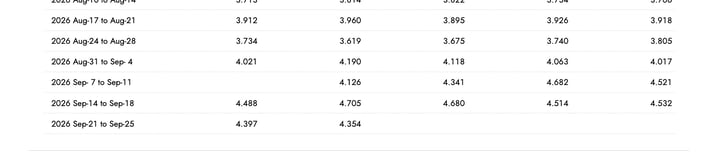
U.S. Gulf Coast jet-fuel spot prices, September 2026. EIA.
Fuel prices therefore affect airline schedules before many travelers see the full effect in search results. Business Insider reported that jet fuel reached $4.53 per gallon in mid-September as oil prices rose above $100 per barrel.
That cost pressure helps explain why airlines often examine their least-profitable flights first.
Why Airlines Cut Capacity Before They Cut Service Everywhere
Airlines do not usually cancel every route when fuel becomes more expensive. Executives instead review flights with weaker demand, lower fares, longer distances, or less favorable operating costs. A carrier may reduce frequency on a route, withdraw a seasonal flight, use a smaller aircraft, or slow future growth.
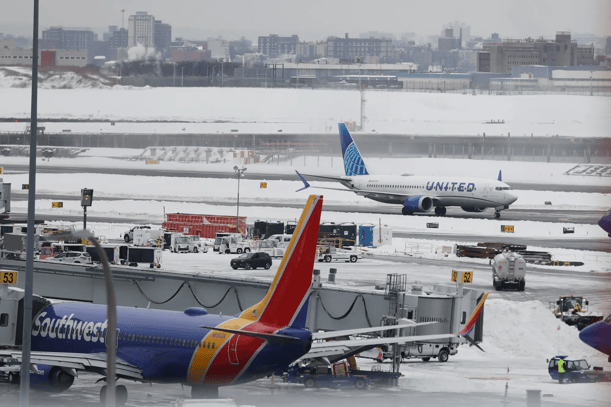
Southwest and United aircraft at an airport. Business Insider.
American Airlines said higher fuel prices could raise its fourth-quarter costs by about $1 billion, according to Reuters. United had already cancelled some December flights, while Southwest had reduced its planned capacity growth. Those decisions show how fuel shocks can affect supply even when overall travel demand remains strong.
Capacity does not mean the same thing as passenger demand. Airlines measure it through available seats and flights, while travelers experience it through fewer departure times, reduced competition, or less access to lower-priced fare inventory. Cutting an unprofitable route may protect an airline’s finances, but it can also leave a smaller city or price-sensitive traveler with fewer choices.
That supply change is one reason fare increases can continue even after an immediate fuel spike has passed.
Why Fare Increases Often Arrive Later
Ticket prices depend on more than fuel. Airlines also consider remaining seats, booking patterns, seasonal demand, labor costs, airport charges, competing carriers, and whether customers are booking months ahead or close to departure.
Airlines often sell their lowest-priced seats first. As a flight fills or a carrier reduces the number of departures available, remaining tickets may cost more even without a formal fuel surcharge. Holiday travel can magnify that effect because many passengers need to fly on a limited number of dates.
Recent data shows that travelers were already paying more before every planned capacity adjustment was complete. Bureau of Labor Statistics data shows that airline fares were 23.4% higher in August than they were a year earlier.

Airline-fare CPI changes, August 2026. BLS.
Prices can also move unevenly. One route may retain competition and low fares, while another loses a flight or a budget alternative and becomes more expensive. Advance booking can give travelers more choices, but it cannot guarantee a fare will fall if fuel costs remain high and capacity stays constrained.
What Travelers Should Watch
Households planning trips should watch both fuel markets and airline schedules. A decline in oil prices may eventually lower an airline’s cost pressure, but it may not produce immediate fare reductions on flights that are already full or tickets already sold.
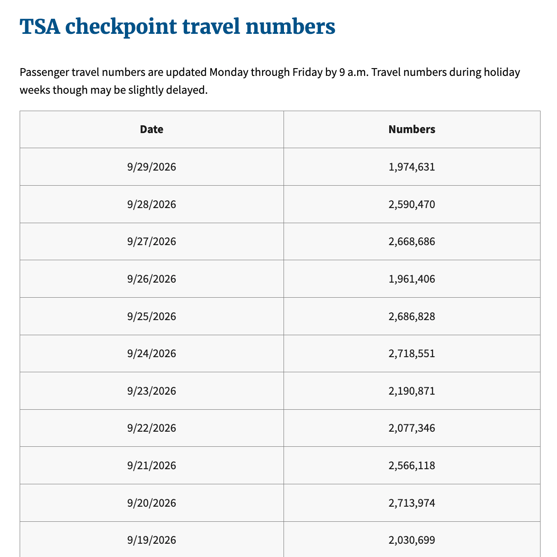
U.S. airport checkpoint travel volumes, 2026. TSA.
Fare comparisons matter most when a traveler has flexibility. Nearby airports, different travel days, morning or late-night departures, and separate comparisons of baggage or seat fees can reveal a lower total trip cost. Families with fixed school breaks or holiday dates may have fewer ways to avoid higher prices.
Energy volatility reaches consumers through more than the gas pump. In aviation, it can change which routes carriers operate, how many seats they offer, and how much flexibility travelers can afford.
Wrap Up
Higher jet-fuel costs do not guarantee that every flight will become more expensive. Airlines can hedge fuel, absorb some costs, adjust networks, or compete for passengers with lower fares.
Fewer planned flights and fewer low-cost seats can still make travel more expensive, especially on routes with limited competition or during peak travel periods. Travelers will feel the fuel shock most clearly when airline schedules and available seats begin to shrink.